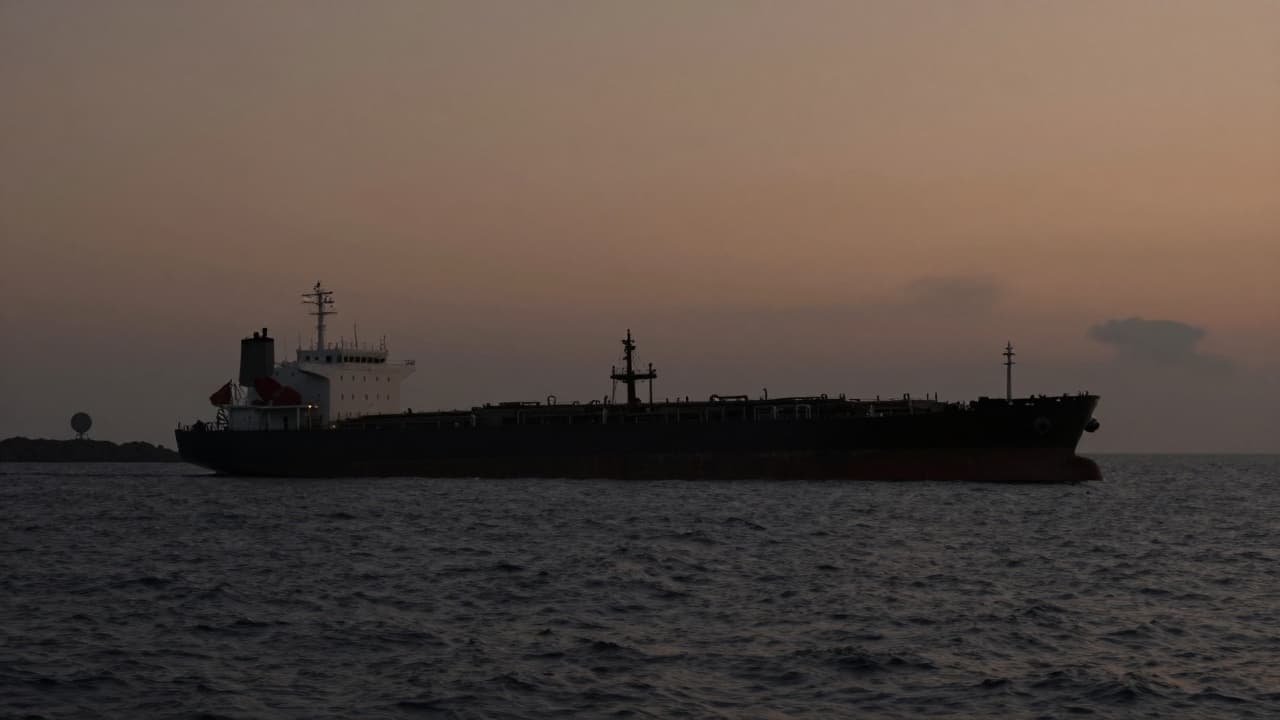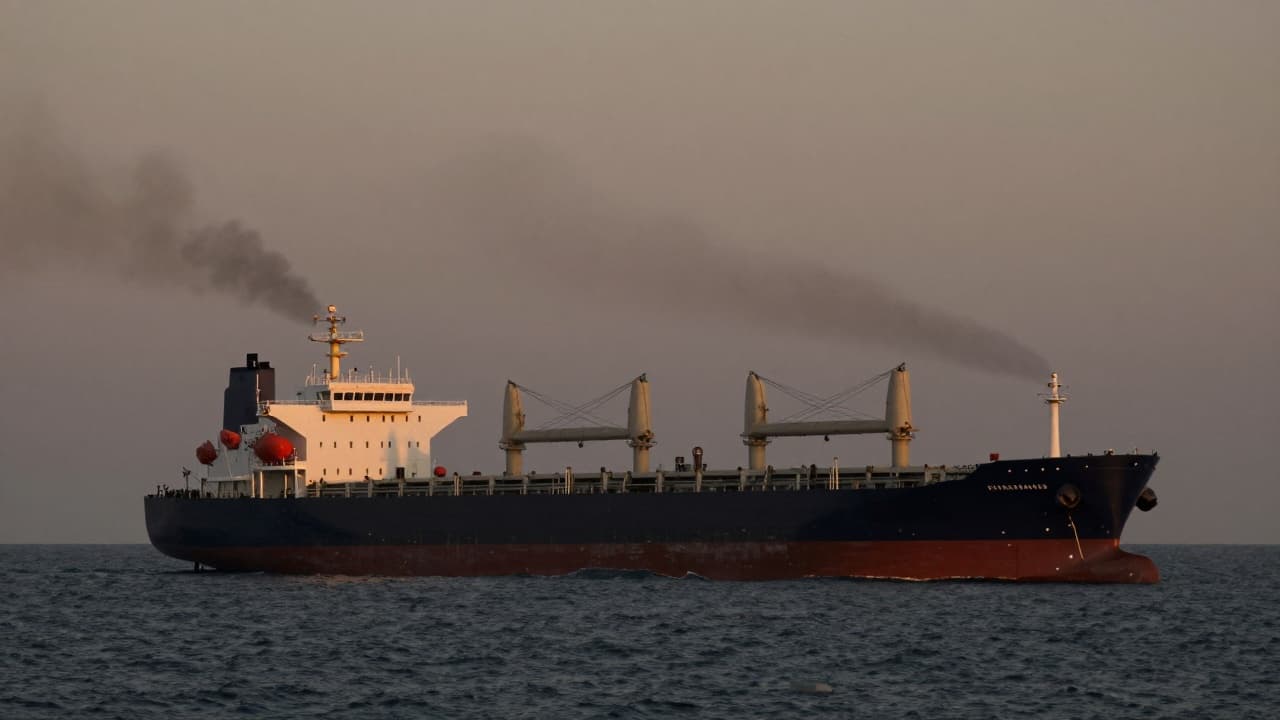
Maritime traffic through the Strait of Hormuz has again come to a near-complete standstill, a consequence of renewed exchanges of attacks between the United States and Iran. This information was announced on Friday by data provider Kpler, with the dpa agency reporting their official statement on the drastic drop in ship transits.
According to published data, only eight ships passed through the strait on Thursday. This figure represents the lowest recorded value in the past three weeks. In comparison, 15 ships passed through the strait on Wednesday, while two weeks ago that number stood at 48 ships. Kpler published these figures on the platform X.
In contrast to the current situation, more than 100 ships passed through the Strait of Hormuz daily on average before the outbreak of conflict in late February. The current near-total standstill in traffic clearly indicates an escalation of tensions in the region and serious consequences for global maritime trade.
Iran threatened on Friday to launch a "general offensive", while the United States conducted bombing of Iranian territory for the seventh consecutive night. During this bombing, Iranian civilian infrastructure was no longer spared, marking a significant change in the tactics of US forces.
The US military announced that it is carrying out a new series of attacks on Iran, which began at 19:00 GMT. The attacks were carried out on the orders of President Donald Trump, and according to US military sources, the aim is to continue weakening Iranian military capabilities. The US military also published a statement about the attacks on the platform X.
According to Iranian news agencies, explosions were heard in southern Iran during the night strikes. These events contribute to instability in the region and further strain the already sensitive maritime corridor through the Strait of Hormuz.