Nearly 100 American soldiers were injured in the past two weeks of escalating conflict with Iran, the Pentagon announced, as Tehran responded to the tenth consecutive night of US air strikes with a new wave of attacks, the Guardian reports.
Pentagon spokesperson Sean Parnell stated that the vast majority of the injured had suffered mild concussions and that 96 per cent had already returned to duty. Parnell was responding to a New York Times report that the Pentagon was concealing data on soldiers injured by Iranian strikes, which he denied. In the past week, three American soldiers have been killed in Jordan and Iraq.
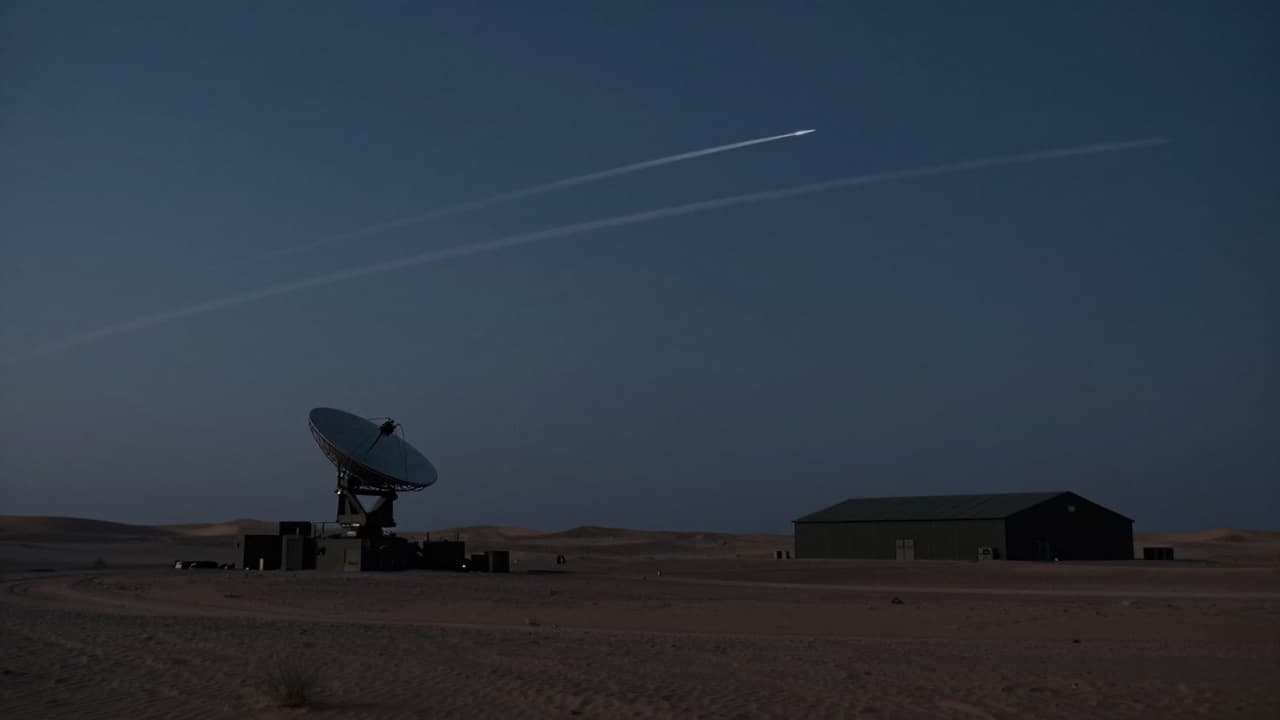
The Iranian Revolutionary Guard announced on Tuesday that it had targeted US military sites, including air defence systems and a radar installation in Bahrain and Kuwait. Kuwait, Bahrain and Jordan announced that they had activated their defences to repel the attacks.
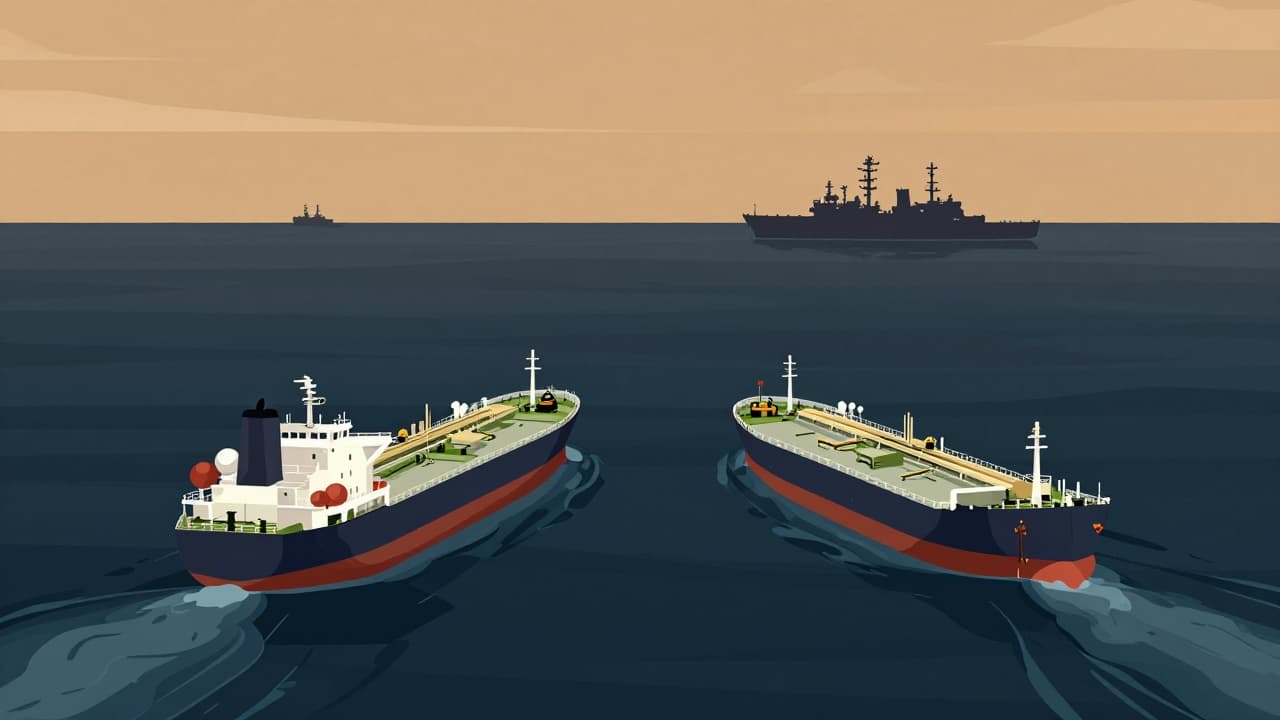
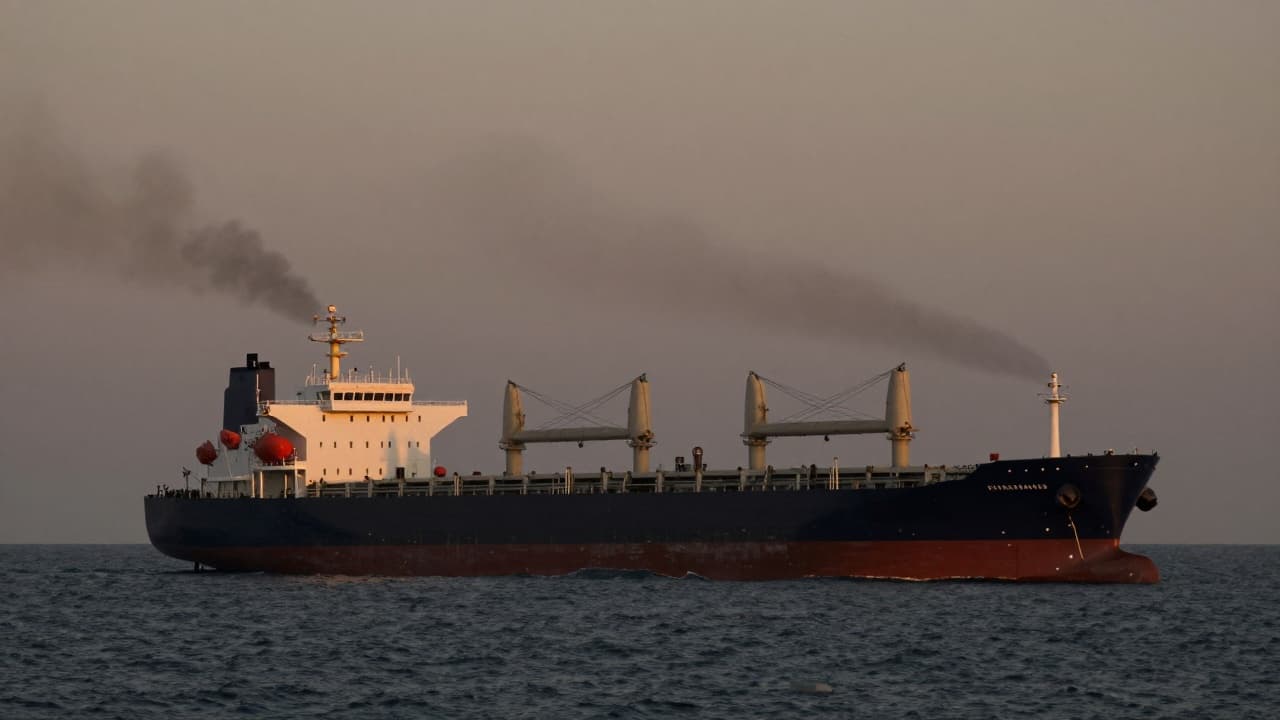
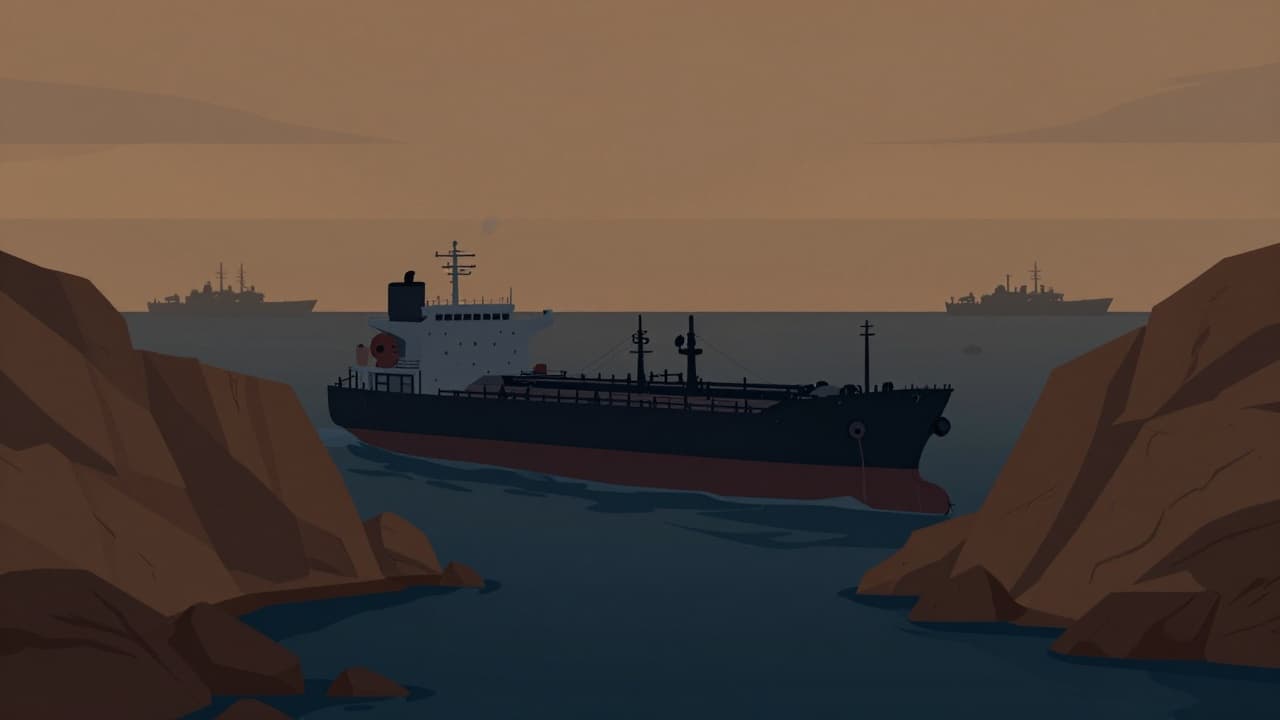
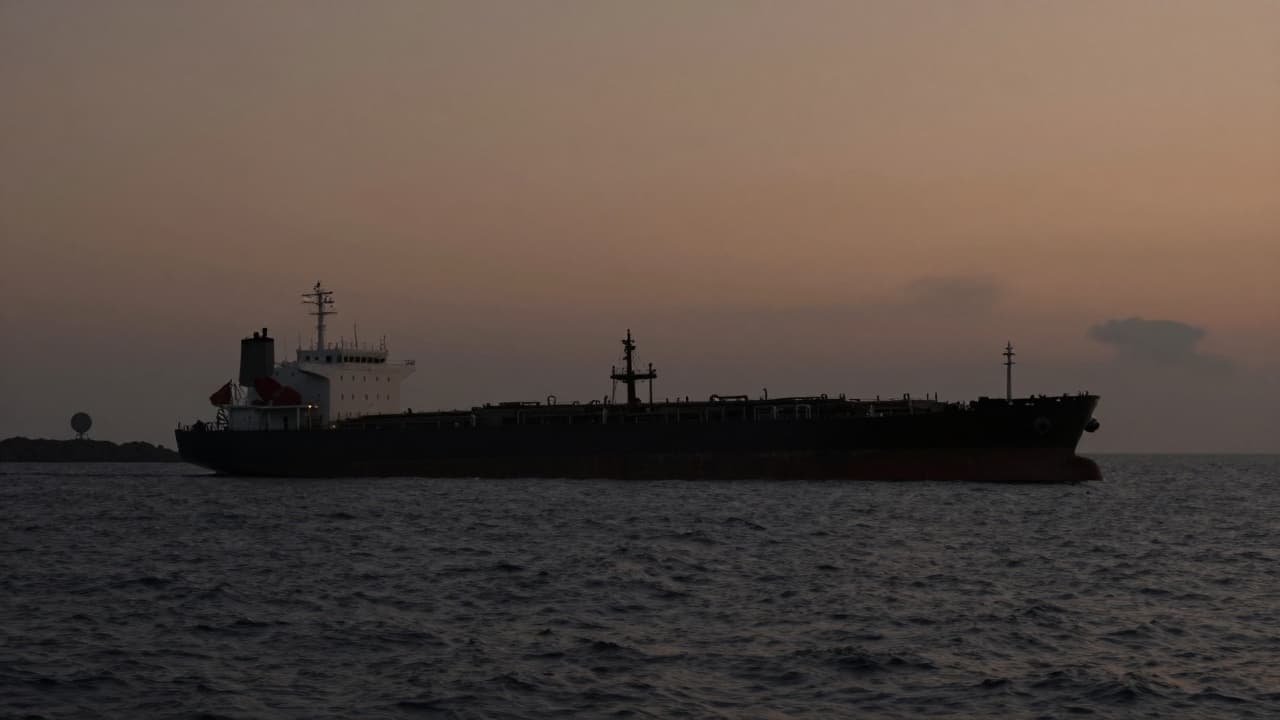
The UK Maritime Trade Organisation (UKMTO) received multiple reports on Tuesday that a tanker in the Strait of Hormuz had been hit by an unknown missile, approximately eight nautical miles east of Musandam, Oman. The crew abandoned the vessel and transferred to a lifeboat, and no pollution was reported. The Revolutionary Guard claimed responsibility for this attack, as well as for two attacks on ships the previous day.
Traffic through the Strait of Hormuz, which normally handles about one-fifth of global oil and gas trade, has been significantly disrupted. The situation is further complicated by the announcement from Yemen’s Houthis of a maritime embargo against Saudi Arabia, under which the Bab al-Mandeb strait at the southern end of the Red Sea would be closed to Saudi ships. The Saudi military has stated it will keep the shipping lane open.
The escalation in recent weeks has driven up oil prices: Brent crude traded above $88 on Tuesday, and the average price of petrol in the US rose to four dollars per gallon ahead of the congressional elections in November.
Despite the intensification, Iran’s interior minister travelled to Pakistan, a key mediator in the conflict, for talks. It remains unclear what new agreement might be possible after the temporary ceasefire deal, signed last month, collapsed.