Ambassadors of the member states of the European Union reached a political agreement on Thursday on the 21st package of sanctions against Russia, which further tightens measures against the financial sector, the so-called shadow fleet and the military industry. A written procedure for the formal adoption of the decision was launched in the afternoon.
The package, which had been negotiated for days, adds the largest number of individuals and legal entities to the sanctions list to date. The transaction ban has been extended to an additional 32 Russian banks, while new restrictions have been introduced for cryptocurrency trading platforms and oil platforms.
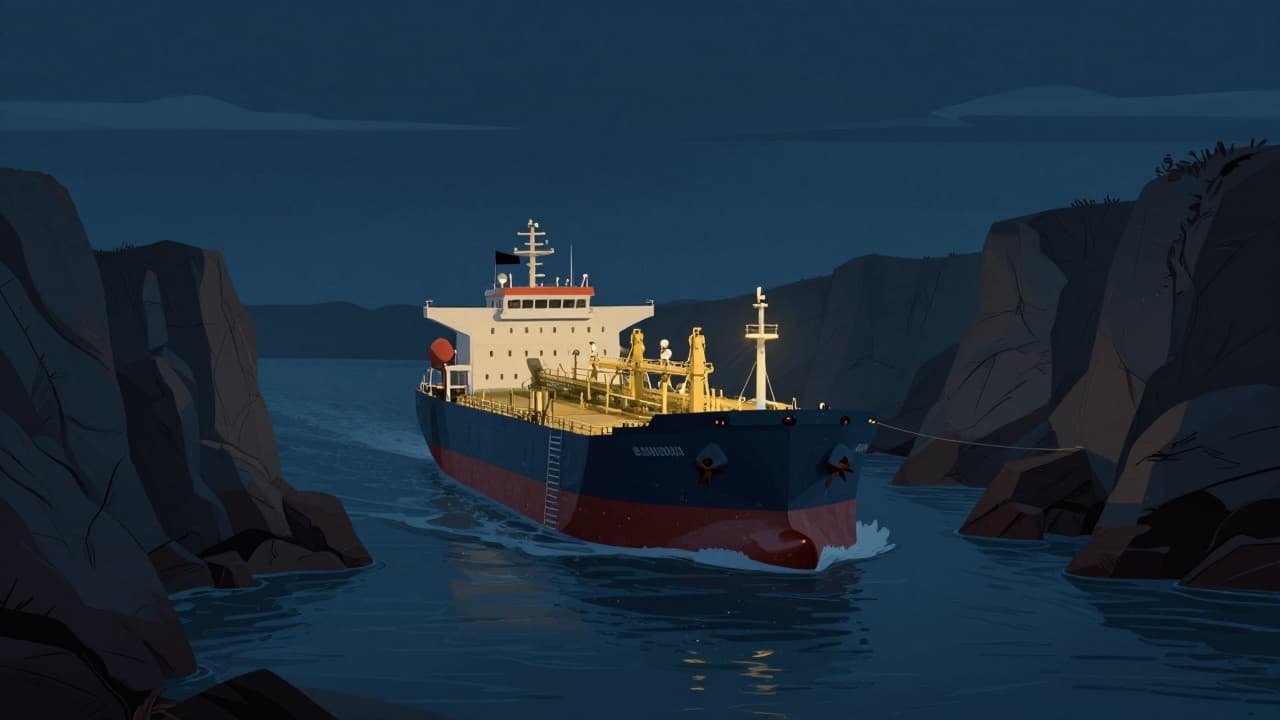
For the first time, ships of the shadow fleet, which are said to assist Russian maritime operations, have been included in the sanctions, and a formal entry ban into the EU has been imposed on members of the Russian military. The price of oil remains capped at $44.10 per barrel, which has been frozen for the next year.
The last obstacle in the negotiations was Greece's request that domestic shipowners retain the ability to transport Russian liquefied natural gas to third countries under contracts concluded before 24 February 2022. Greece obtained this limited exemption, which the EU Council will review annually.
President of the European Commission Ursula von der Leyen welcomed the agreement with a message on the platform X: "I welcome the agreement on the 21st package of sanctions against Russia. As Ukraine strengthens its military momentum, our sanctions continue to weaken the economic foundations of Russia's war effort."