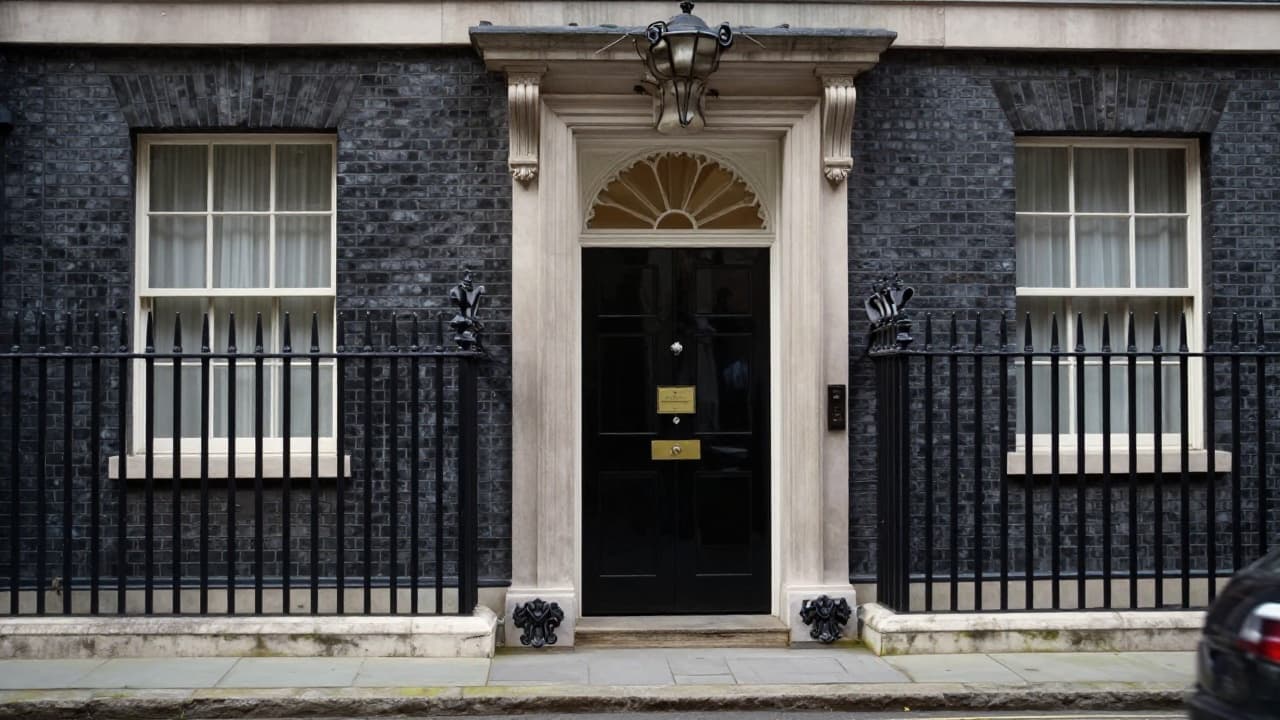
The new Labour leader, Andy Burnham, will accept the office of British prime minister from the king at Buckingham Palace on Monday, becoming the sixth prime minister of the United Kingdom in the last ten years, the Guardian reports.
Appointments to the cabinet are expected as early as Monday afternoon. According to the Guardian, it is widely believed that Shabana Mahmood will take charge of the finance portfolio, Ed Miliband foreign affairs, while Jonathan Reynolds is slated for the economy department, expanded to include science and technology. Former deputy prime minister Angela Rayner is mentioned for health, although sources say she would still need to be persuaded.
In his first address from Downing Street, Burnham is expected to say that Britain must be honest about the challenges it faces and that the country needs political stability, which is interpreted as a rejection of calls for early elections. Labour has roughly three years left in the current term.
To alleviate the cost of living, plans include lowering energy bills and possibly bus fares. Preparations are also underway to open the door to further oil and gas drilling in existing North Sea areas, despite opposition from environmental activists and some MPs. In line with the election manifesto, large new fields would not be approved.
US President Donald Trump congratulated him on the Truth Social network, stating that Burnham would "fully" open up North Sea oil fields, but Labour deputy leader Lucy Powell said this was a change of emphasis, not a change of policy.
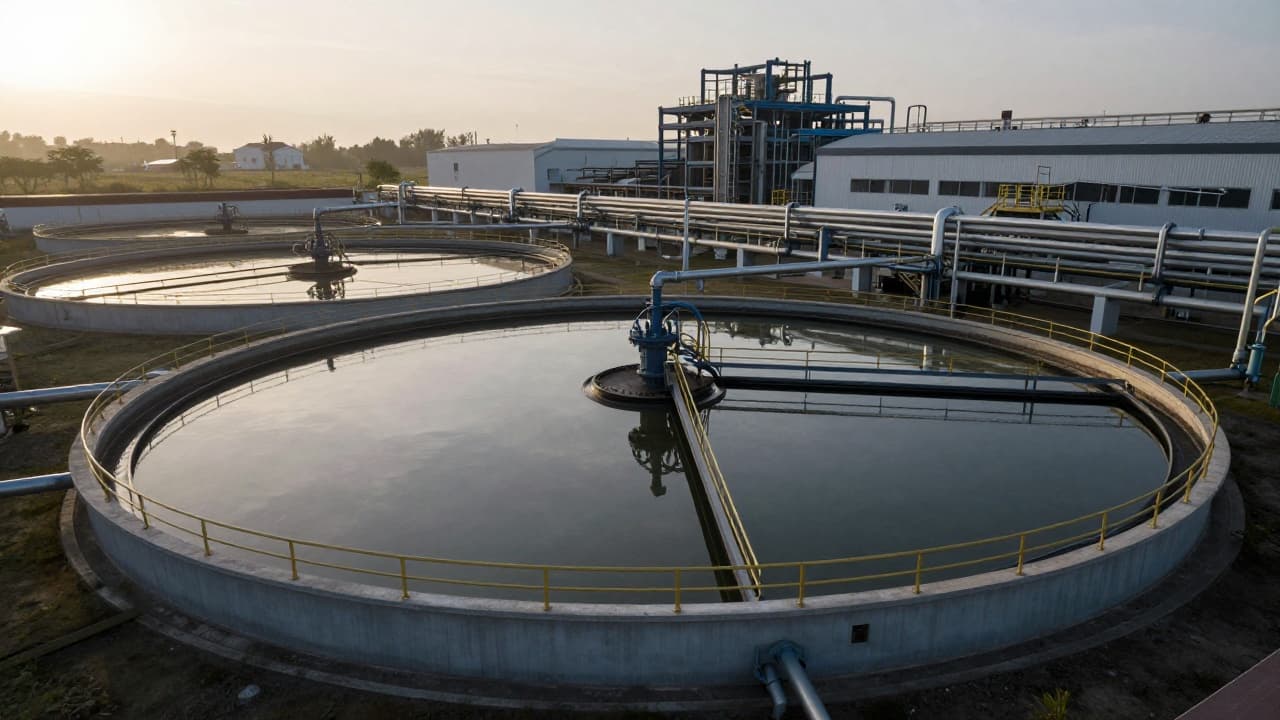
Burnham has so far pledged to stick to election promises not to raise VAT, national insurance contributions, and income tax, as well as to scrap the digital ID scheme. According to the Sunday Times, he is also expected to push Thames Water into a special form of compulsory administration, which Burnham's team declined to comment on.
Conservative leader Kemi Badenoch criticised him for not presenting his plans in detail before taking office, describing his previous statements as vague, while Reform UK leader Nigel Farage criticised the announcements on increasing spending on foreign aid.