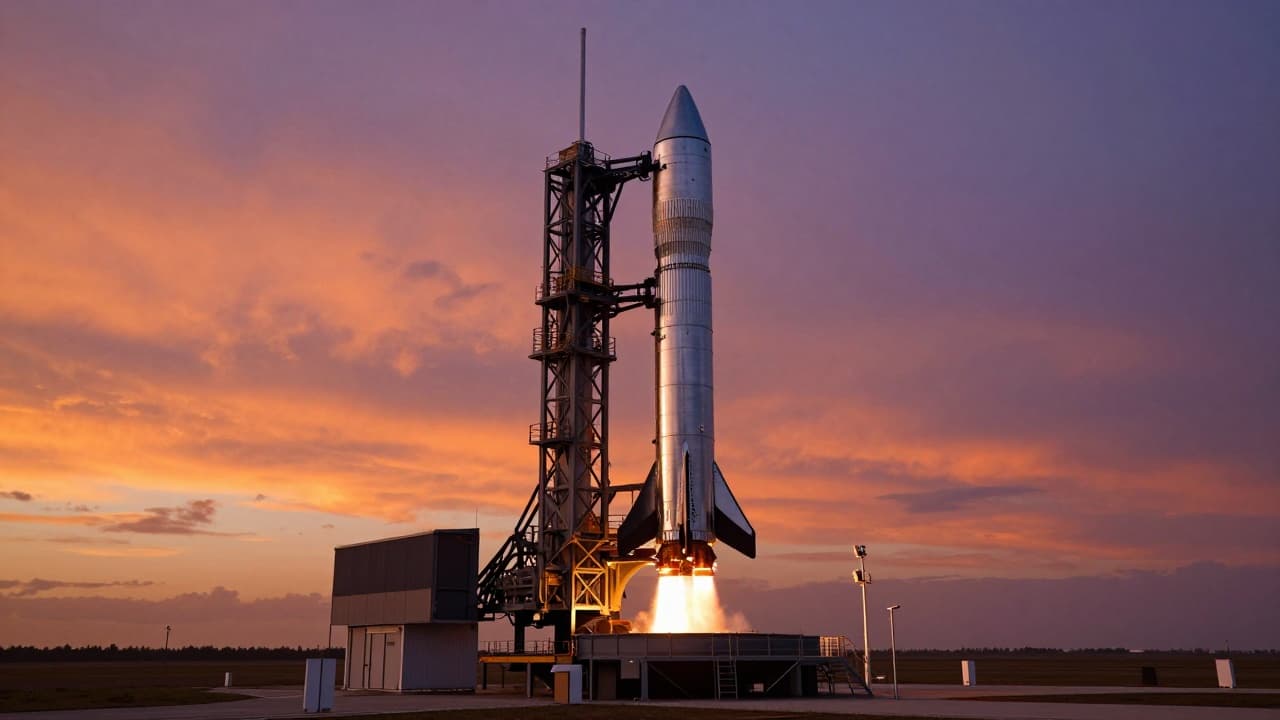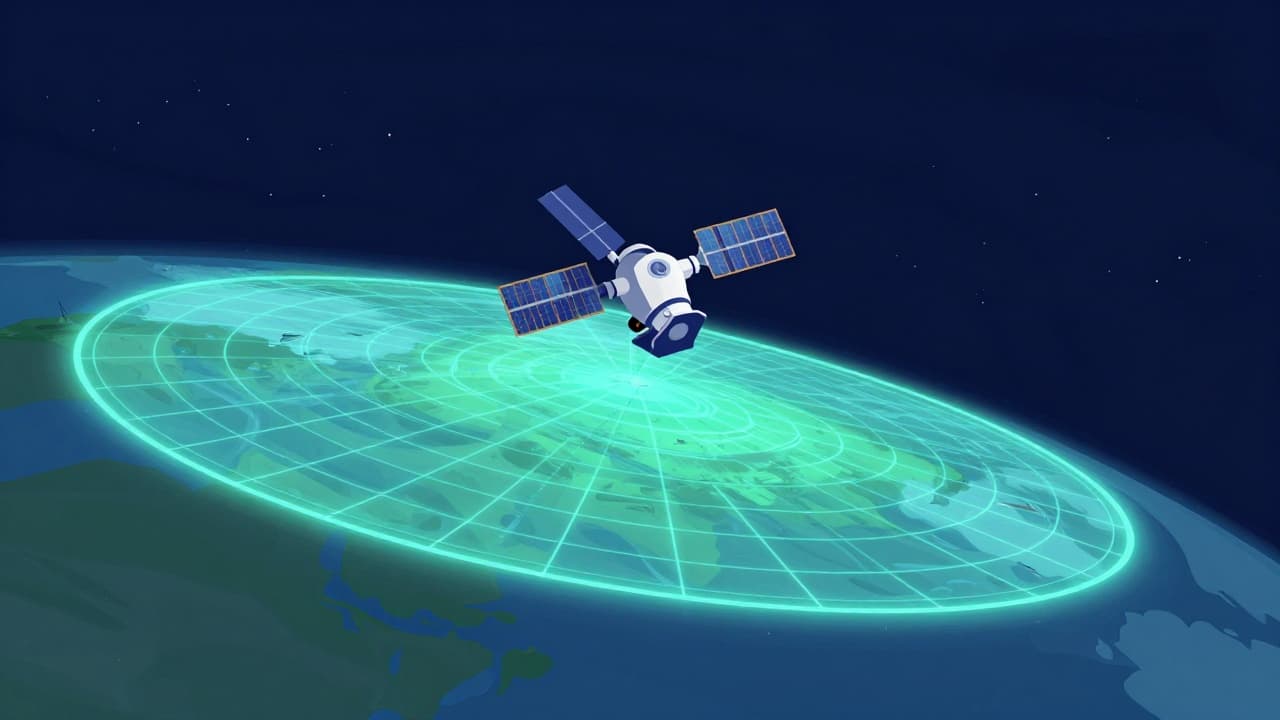
The YAM-9 satellite, equipped with NASA’s artificial intelligence technology, has for the first time independently identified objects from orbit without confirmation from ground control. This is part of the NAVI-Orbital programme developed by NASA’s Jet Propulsion Laboratory (JPL) and startup Loft Orbital.
The system uses "light" vision-language models from Google DeepMind’s Gemma 3, which process both text and images. The architecture consists of three autonomous agents — an orchestrator, a detector, and a dialogue agent — and receives commands in natural language, such as "find all railway stations for me."
In Earth-based testing, the system achieved an accuracy of 88.2 per cent across 7,960 images, classifying them into categories such as residential areas, beaches, agricultural zones, and mountains. Two live imaging runs have so far been conducted in orbit, with more planned.
The advantage of this approach is that changing tasks involves simply loading a new text prompt, without new software files, and processing is faster because data does not need to be sent to Earth and back.
According to estimates from Loft Orbital, around a hundred such satellites could cover the entire planet in real time — from tracking wildfires to monitoring illegal activities in ports and at borders.